Professional Siding Solutions: Protecting Your Home While Enhancing Its Beauty
Skilled siding contractors offer multiple benefits: they protect homes from the elements and improve aesthetic value. As homes age, signs like cracks and moisture buildup suggest the importance of timely replacement. Selecting premium materials suited to local weather conditions can greatly impact lasting strength and energy savings. Professional installation remains an absolute necessity. Recognizing these considerations is crucial for property owners planning a renovation. Which elements should homeowners consider before committing to this investment?
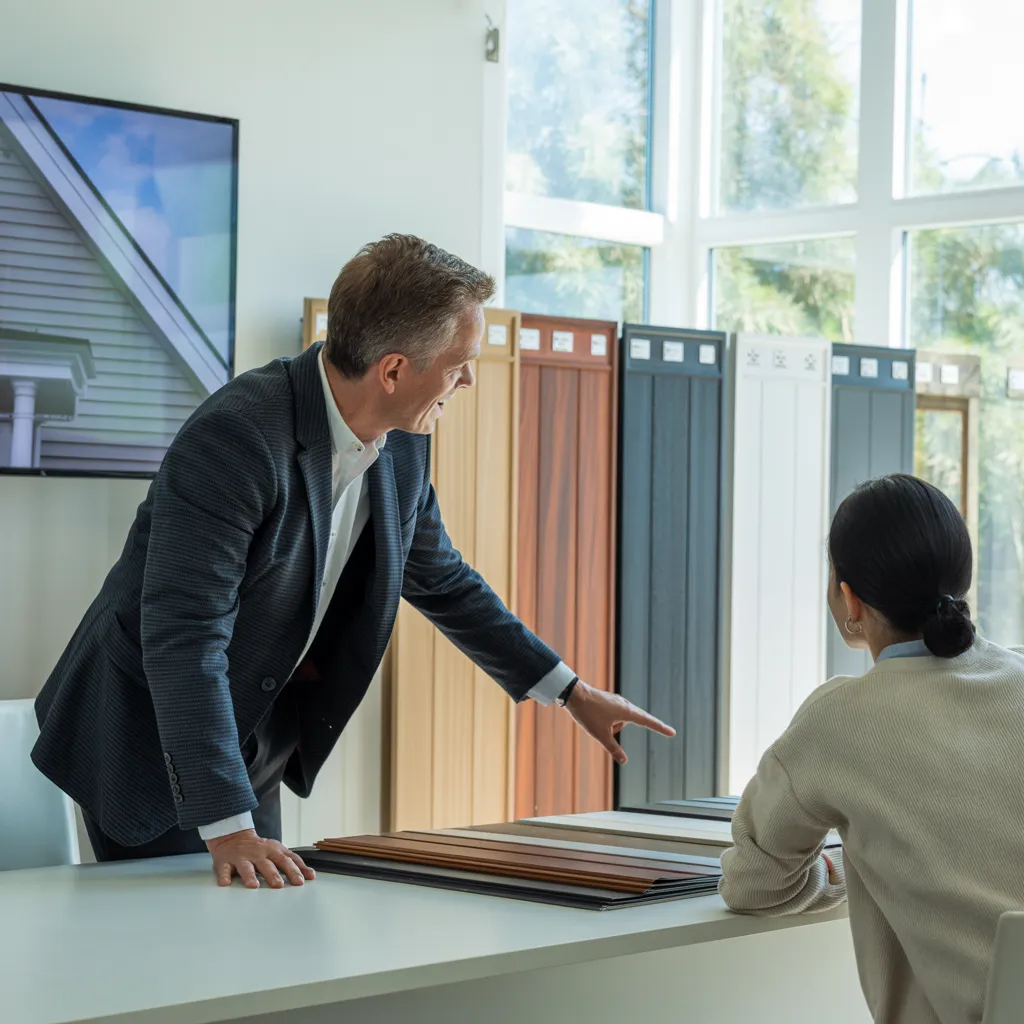
Indicators That Your Siding Needs Replacement?
When should homeowners consider replacing their siding? There are several key signs that homeowners should watch for that suggest siding replacement is needed. Apparent damage like cracks, warping, or peeling paint may weaken the exterior's durability and overall look. Additionally, the presence of moisture or mold can suggest underlying issues that may lead to costly repairs if left unaddressed. Unexpected increases in energy bills may be a sign of inadequate insulation resulting from aging siding, making it necessary to reassess the home's exterior. Beyond that, age is an important consideration, as most siding materials are designed to last anywhere from 20 to 30 years. Lastly, if outside noise levels seem to be increasing indoors, it could be an indication that upgrading to a more sound-resistant siding is warranted. Recognizing these signs early can help maintain the home's safety and aesthetic appeal while preventing future complications.
Why High-Quality Siding Is Important for Your Home
Premium siding plays a vital part in a home's complete efficiency and visual appeal. It elevates energy efficiency by offering superior insulation, which can contribute to lower utility bills. In addition, top-grade siding considerably improves curb appeal, leaving the property more eye-catching to future buyers and onlookers.
Energy Conservation Benefits
Energy efficiency is a vital component of contemporary home construction, and the selection of siding plays a significant role in achieving it. Quality siding materials, such as fiber cement or insulated vinyl, offer exceptional thermal insulation, helping to keep indoor temperatures stable. This reduces reliance on heating and cooling systems, ultimately leading to decreased utility expenses. Additionally, properly installed siding reduces air infiltration, further strengthening a home's insulation. Homeowners investing in premium siding options not only improve energy efficiency but also contribute to a sustainable environment by lowering their greenhouse gas emissions. In conclusion, selecting the right siding is critical for enhancing a home's energy efficiency, making it an intelligent choice for lasting comfort and reduced costs.
Curb Appeal Enhancement
Even though choosing siding may seem like an insignificant decision, it greatly impacts a home's overall curb appeal. Premium siding has the power to turn a plain home into an attractive dwelling, elevating its beauty and expressing the homeowner's unique preferences. Different materials, colors, and textures allow for personalization, allowing property owners to develop a distinctive appearance that sets their home apart. Furthermore, properly kept siding can boost a home's market value, positioning it as a worthwhile long-term investment. Many home purchasers commonly value curb appeal, and premium siding often serves as a key consideration. In the end, selecting the ideal siding not only safeguards the home but also enhances its character, establishing it as an essential element in creating an attractive, inviting residence.
Siding Material Selection: Factors Worth Considering
Choosing the right siding materials is critical for improving a home's visual appeal and longevity. Homeowners need to weigh a number of important factors when arriving at this decision. To begin with, climate is a major factor; choices such as vinyl or fiber cement are often ideal for locations that experience severe weather conditions, while wood siding delivers classic character in moderate climate zones.
Additionally, upkeep needs differ; some materials require regular painting or staining, while others are virtually maintenance-free. Price is another important consideration; choices span from affordable vinyl to premium natural wood or stone.
Energy efficiency should also be assessed, as certain materials provide better insulation, which may reduce energy costs. Additionally, homeowners ought to evaluate their property's architectural design to confirm that the siding aligns with its overall appearance. By taking all of these aspects into account, homeowners can identify siding materials that boost both visual appeal and lasting performance.
Why You Should Hire Professional Siding Installers
Opting for skilled siding professionals can substantially elevate the durability and quality of a home's exterior. These specialists carry a depth of knowledge, ensuring that the installation is performed to the utmost level of excellence. Their specialized knowledge empowers them to address potential issues, such as incorrect alignment or improper sealing, which can cause significant repair costs in the future.
Moreover, professional installers come prepared with the correct materials and tools, which can considerably reduce installation similar article time and improve the overall finish. They also keep up with local building codes and regulations, ensuring adherence and minimizing the possibility of penalties or rework.
Furthermore, hiring professionals often incorporates assurances on both labor and materials, giving homeowners a sense of security. This measure of reassurance, coupled with the aesthetic and functional advantages of skilled installation, demonstrates the importance of trusting skilled professionals with siding projects.
Enhancing Curb Appeal With Siding Solutions
Picking the ideal siding can greatly improve a home's aesthetic appeal. Color choices, coupled with multiple textures and materials, allow homeowners to create a one-of-a-kind look that reflects their personal aesthetic. By evaluating these aspects, individuals can convert their property into a beautiful and charming space.
Why Color Choices Matter
How can the right color transform a home's exterior? The decision regarding siding color plays a major role in a home's curb appeal, defining the character of its overall look. Lighter tones have the ability to make a space feel more open and welcoming, whereas deeper tones can convey a sense of elegance and refinement. Vibrant colors draw attention, allowing a home to stand out in the neighborhood, while understated colors deliver a refined and timeless aesthetic. Furthermore, a well-chosen color can complement both landscaping and architectural details, producing a unified look. Homeowners should consider their personal style, local climate, and neighborhood trends when selecting colors. In the end, carefully considered color selections not only elevate a home's beauty but also express the homeowner's character, making the property feel inviting and cared for.
Material And Texture Options
Various texture and material options can significantly improve a home's exterior appearance, giving homeowners the ability to express their personal style. Siding materials such as vinyl, wood, and fiber cement each provide individual design appeal and structural resilience. Vinyl siding, celebrated for its ease of upkeep, is found in numerous textures that simulate the look of natural materials. Wood siding, despite its higher maintenance needs, brings warmth and classic charm, available in smooth or rough-hewn finishes. Fiber cement siding combines the best of both worlds, offering resilience and a variety of textures, including stucco and wood grain. These choices allow homeowners to tailor their exterior appearance, improving both the visual charm and market value of the home. Selecting the right combination can transform any home into a stunning masterpiece.
Maintenance Tips for Long-Lasting Siding Performance
Regular maintenance is vital for guaranteeing the longevity and performance of home siding. Residents should commence by cleaning their siding at least twice a year to clear away dirt, mildew, and unwanted buildup. A low-pressure washer or a soft-bristled brush with a gentle cleanser can successfully preserve its look without inflicting harm. Examining the siding for fractures, warping, or detached panels is necessary; resolving these concerns quickly can avert more serious complications. Moreover, residents should maintain sufficient drainage around the base to minimize water-related harm. Utilizing a protective coating can boost longevity, most notably for wood-based siding. It is equally recommended to refinish or restain every couple of years, as this safeguards against environmental exposure. Finally, regular checks on caulking around windows and doors will guarantee airtight seals, reducing energy costs and further extending the siding's life. These proactive steps contribute to maintaining both aesthetics and functionality.
Answers to Common Questions
What Is the Typical Duration of a Siding Installation?
The siding installation process usually takes one to three business days, depending on the project's size and complexity. Factors like weather conditions and the type of siding chosen may also impact the total time needed for completion.
What Are the Costs Associated With Siding Replacement?
Siding replacement pricing can differ significantly, generally falling between $5,000 and $15,000 based on the materials used, labor costs, and the size of the home. Homeowners should consider additional expenses, like the disposal of previous siding materials and possible repairs to the underlying structure.
Can New Siding Be Installed Over Existing Siding?
Indeed, new siding is installable over current siding, but it's important to confirm the underlying structure is sound. Proper insulation and moisture barriers are important for preventing potential issues like rot or mold.
What Warranty Options Are Available for Siding Products?
Numerous siding products feature warranties that vary widely, typically addressing material defects for 20 to 50 years. Installation coverage may also be included, ensuring workmanship for a defined period, often covering one to ten years.
How Can I Select a Siding Color That Enhances My Home?
To select a siding color that suits a home, homeowners should evaluate the style of the architecture, nearby natural environment, and neighboring homes. Testing samples makes it easier to picture the possibilities, while using color wheel resources improves how decisions are made.